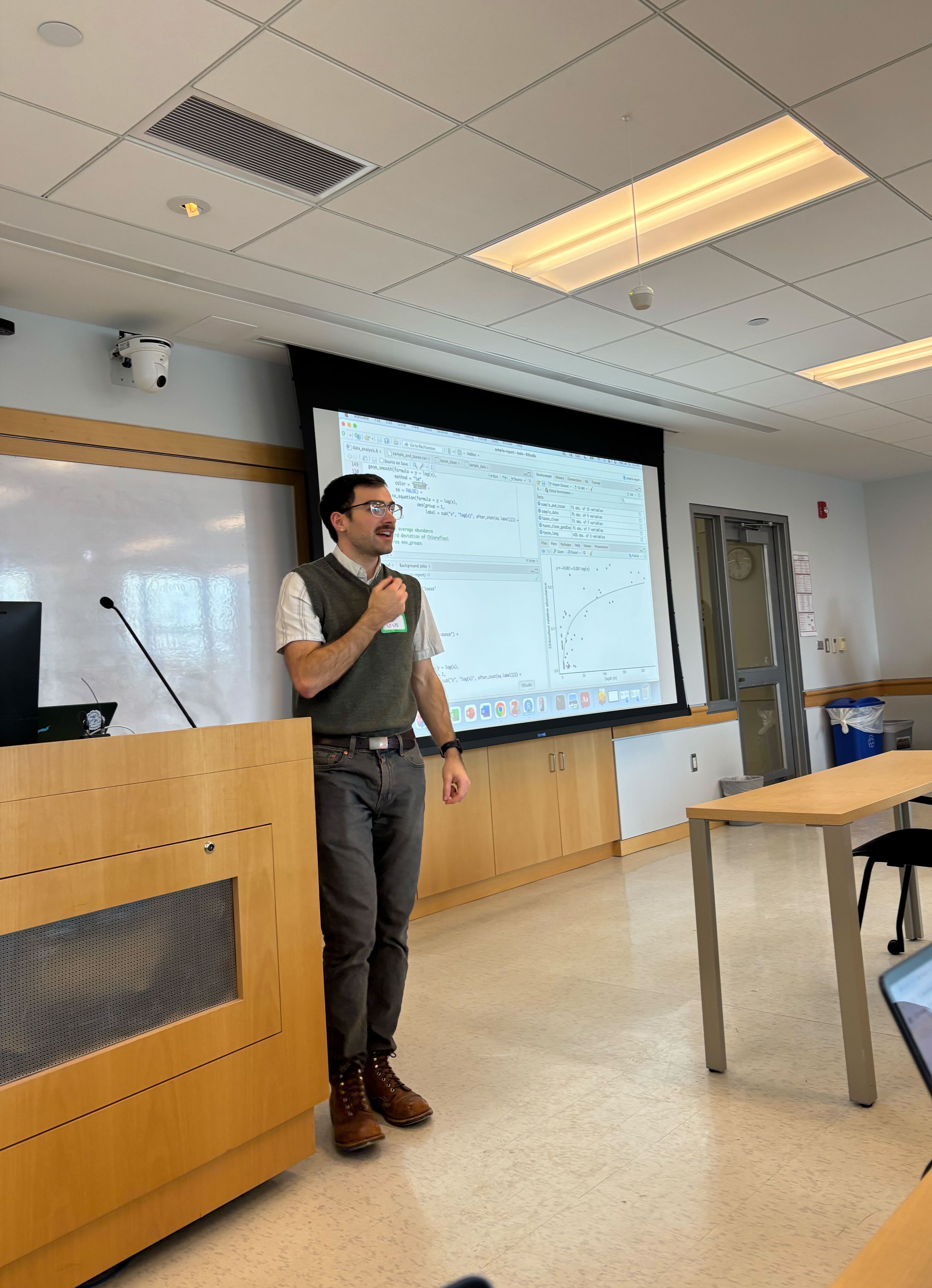
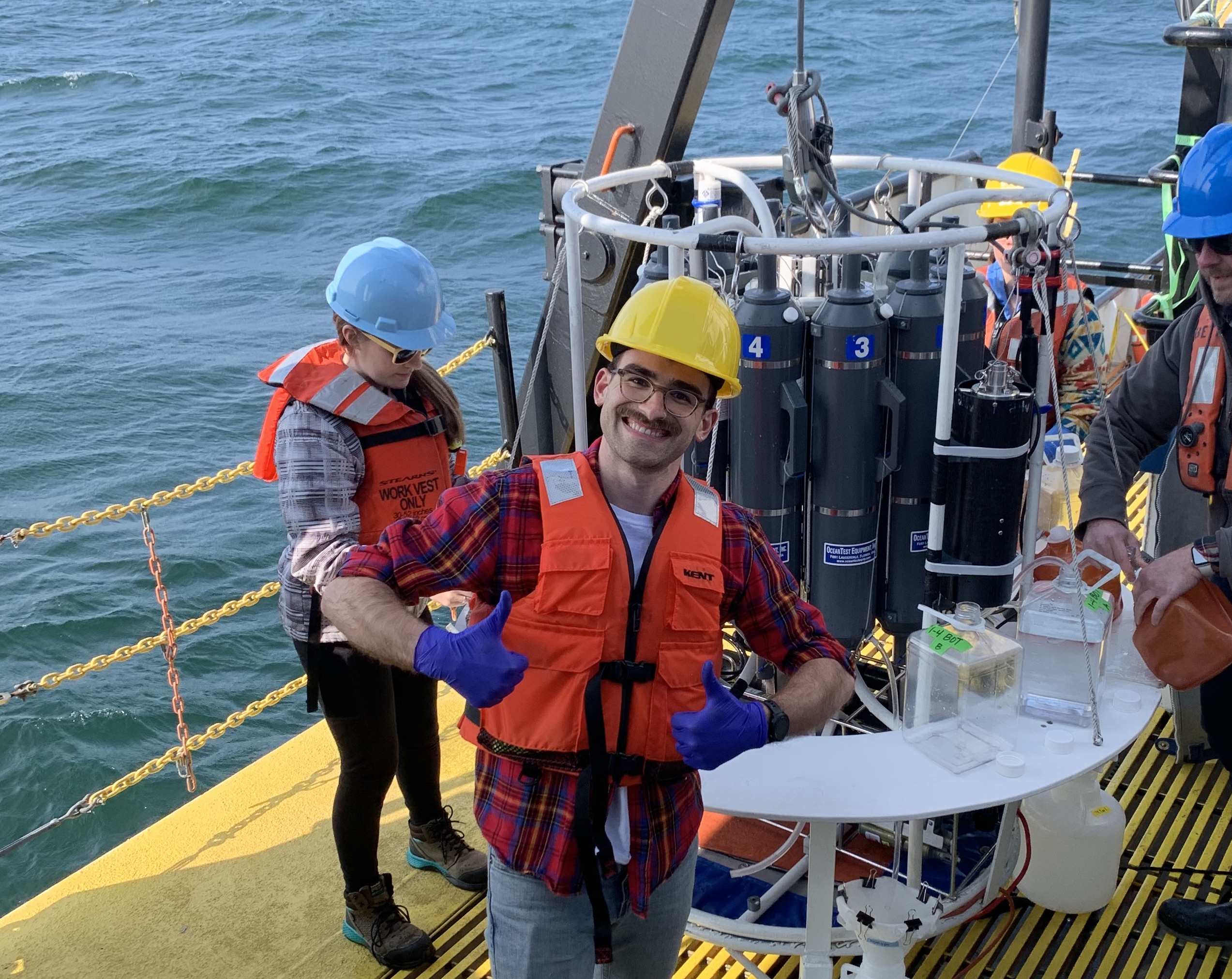
Picture of me by a CTD on Lake Ontario

I find compelling stories in complex datasets

Integrating environmental, biological, and geospatial data

My academic work has taught me two things: I love exploring data, and I love to tell a good story. If I have had one consistency in my career, it’s been change, and as a result I have a broad skillset across bioinformatics, geospatial analysis, and statistics (including machine learning), all grounded in a foundation of coding across multiple languages. I take pride in my public speaking skills, and love to present data in creative and engaging ways. At Cornell, I synthesize data from DNA sequencing and ecological surveys to understand the microbial ecology of the Laurentian Great Lakes. My work has always been interdisciplinary, and relies on collaborative partnerships with federal and state agencies (including the EPA and NOAA) alongside community participation and academic partnerships. I'm also an R and Julia programmer and teach coding through the Software Carpentries. On this page you can access my publications and some of my personal projects as a bioinformatician. You can also view my CV here. Always happy to chat about bacteria, coding, or freshwater, so please feel free to reach out via BlueSky or email.

What I'm known for

  • Innovative data analysis
  • Interdisciplinary collaborations
  • Award-winning scientific presentations
  • Inclusive coding instruction

My research

I've been lucky to work in diverse research areas, whether studying organisms from the deep ocean to pathogenic virulence. Feel free to peruse my published work on my Google Scholar page. My projects reflect my enthusiasm for discovery and rapid adoption of new skills

Me with a CTD

Ecology of Freshwater Microbes

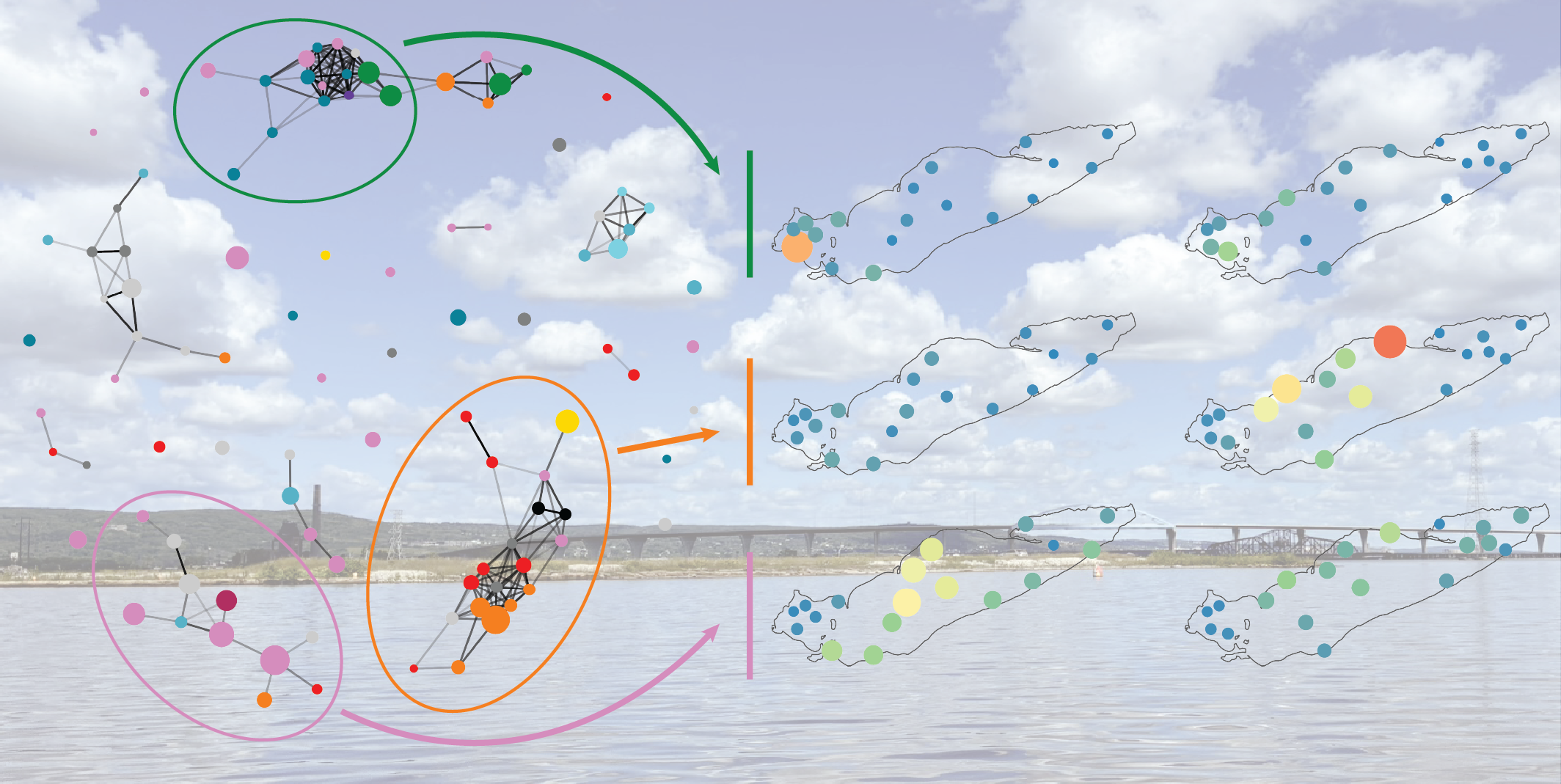
As a Ph.D. student in the Schmidt Lab, I study the formation, structure, and function of freshwater microbial communities in the Great Lakes. My fieldwork relies on collabortive relationships across EPA and NOAA NERR system, producing massive interdisciplinary datasets combining biological and environmental data types. I use bioinformatics, ecological modeling, and geospatial analysis to connect microbial diversity to hydrological processes. My work integrates both theory, as when we defined a new β-diversity metric, and empirical discoveries, as when we revealed how upwelling restructures Lake Ontario's microbiome.
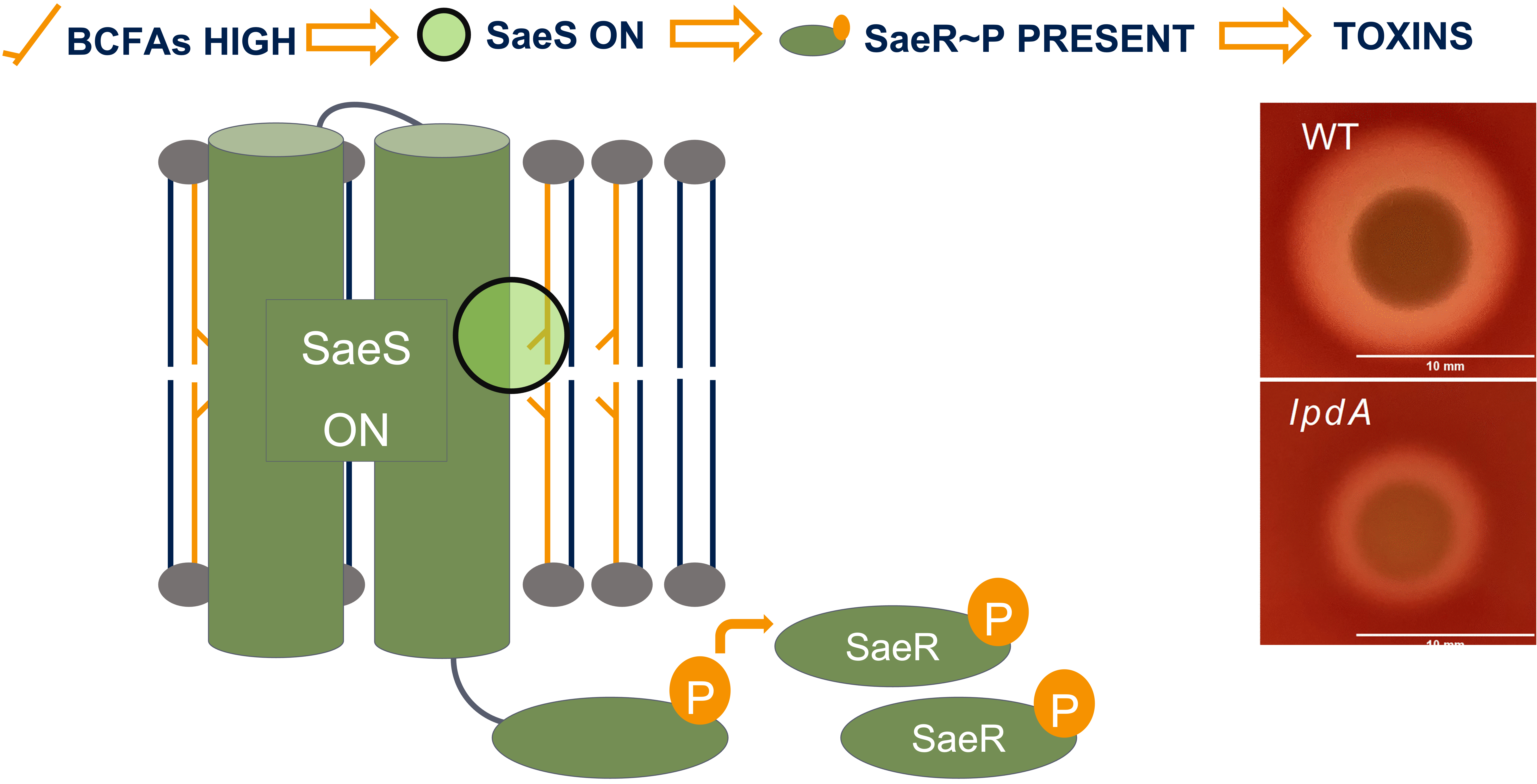
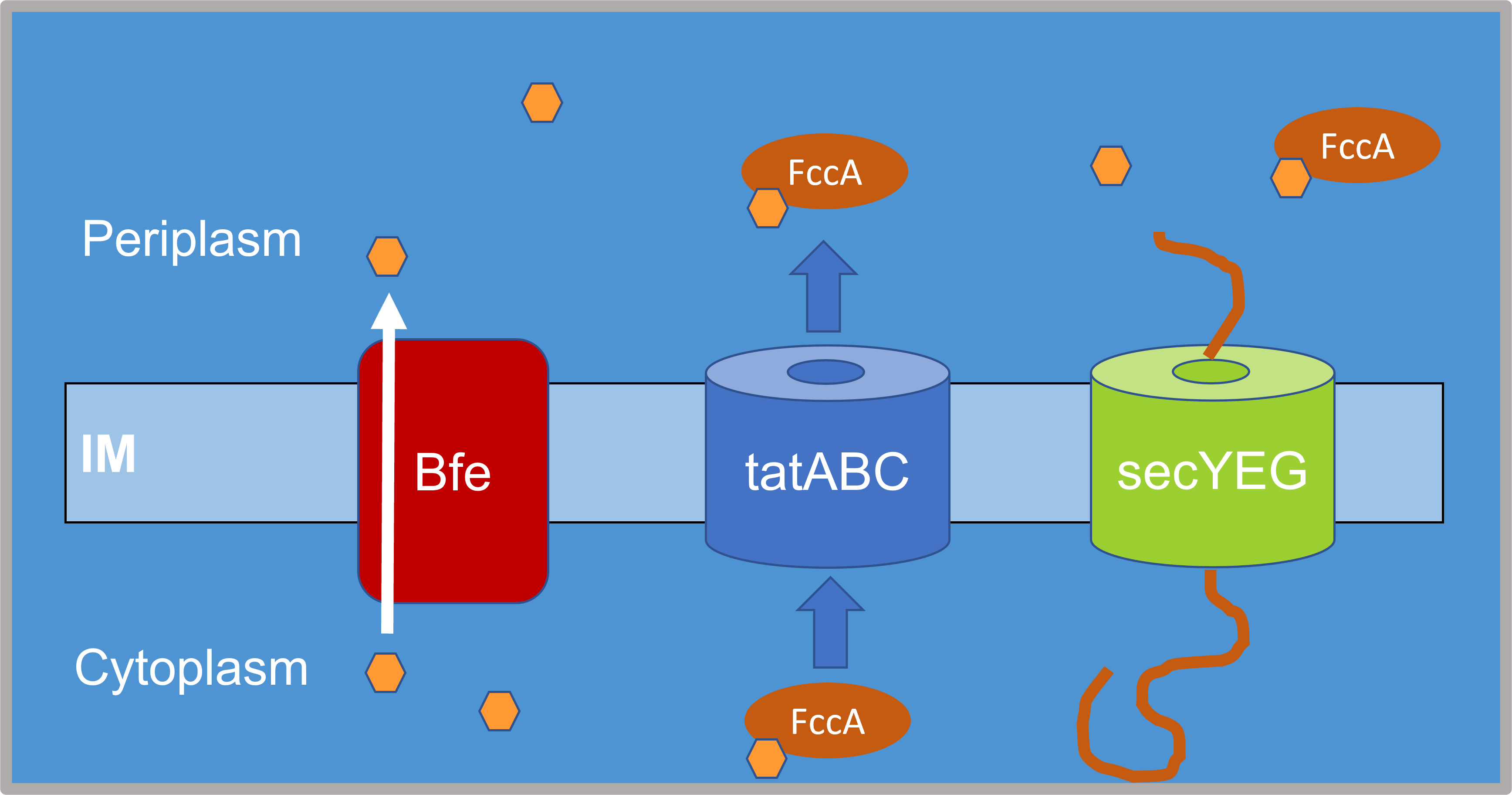
Schematic of Two-Component System

Membrane Lipids and Virulence

Staphylococcus aureus can be a harmless commensal or a devastating pathogen. That switch from nice to nasty is regulated by a complex mix of two-component systems and nutritional sensors. First, we showed branched-chain fatty acids are required for Staph to become virulent via the two-component system SaeRS. Then we discovered an alternative route to branched chain fatty acids in this manuscript

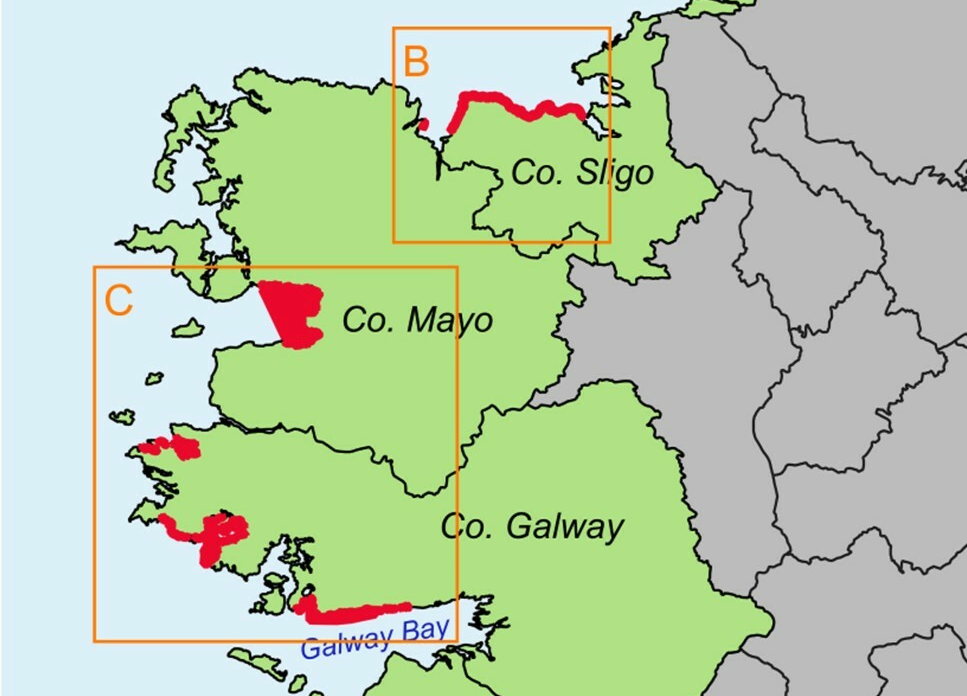
Map of Irish seaweed applications

Irish Seaweed Licencing

Ireland is still debating the slippery question of how to regulate seaweed harvesting. Coastal communities have a long history of sustainably managing their seaweed harvest, but new laws increasingly centralize regulatory decisions. In this work, we talked to seaweed harvesters to get their perspective on how their industry should be regulated.

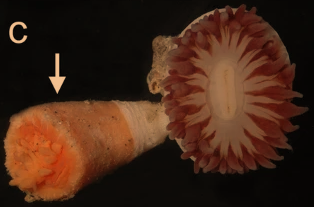
Picture of two antarctic cup corals

Reproduction in deep-sea coral

When you picture coral, you might imagine sun-drenched reefs populated by sassy little clownfish. But there's a whole world of coral most of us will never get to see. Balanophyllia is a solitary cup coral that looks like a cursed ice-cream cone and flourishes in some of the darkest, coldest waters on Earth. In this work, we characterized the reproduction of this deep-sea coral using histology and SEM.

My programming

One of my favorite ways to spend time is with a cup of tea, my dog in my lap, and a coding project on my computer. Below are a combination of coding projects I've developed in both my work and personal time.

Hacky Hour Flier

Hacky Hours and Carpentry Workshops

While coding is my happy place, many scientists feel deeply intimidated by data analysis. As a coding instructor, I build inclusive learning environments that lead to real coding comprehension. As a Certified Instructor with the Software Carpentries, I've organized and taught coding workshops at multiple institutions, sharing foundational skills in the command line, git, and R. You can view the custom curriculum I've developed here. To maintain learner's momentum, I also host weekly Hacky Hours, where students gather for short coding tutorials, data discussions, and coworking sessions. The best part? All Hacky Hour Tutorials are publicly available!

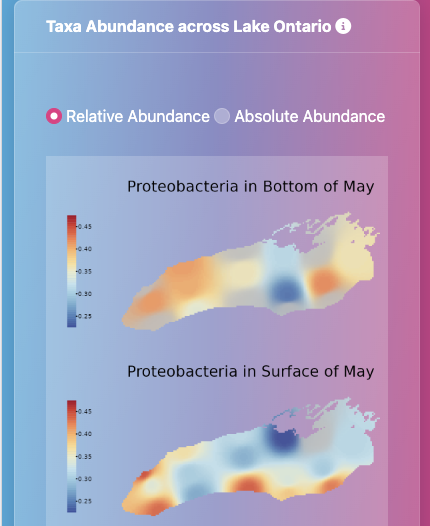
Heatmap of Lake Ontario

MicrobeMapper

As my first dissertation project, I generated what is currently the most comprehensive survey of bacterial diversity across Lake Ontario, by 16S sequencing microbial samples from two seasons, 15 stations, and multiple depths. You can explore these data using MicrobeMapper, an interactive web app I built to visualize the spatial and seasonal distribution of bacterial taxa across the lake. You can also view downstream data, such as biodiversity estimates, functional predictions, and the associated chemical metadata from the EPA.

CUBScout logo: a seesaw with codons for leucine

CUBScout: Codon Usage in Julia

I wanted to learn Julia, and what better way to pick up a language than writing a package? CUBScout makes working with codons easy in Julia. You can calculate codon frequency, multiple codon usage bias measures (e.g. B, MILC, and SCUO), and multiple expressivity predictions (e.g. E, MELP, and GCB). For a quick intro, read this demonstration where I explored codon bias in B. subitilis. For a deeper dive, look into thedocumentation

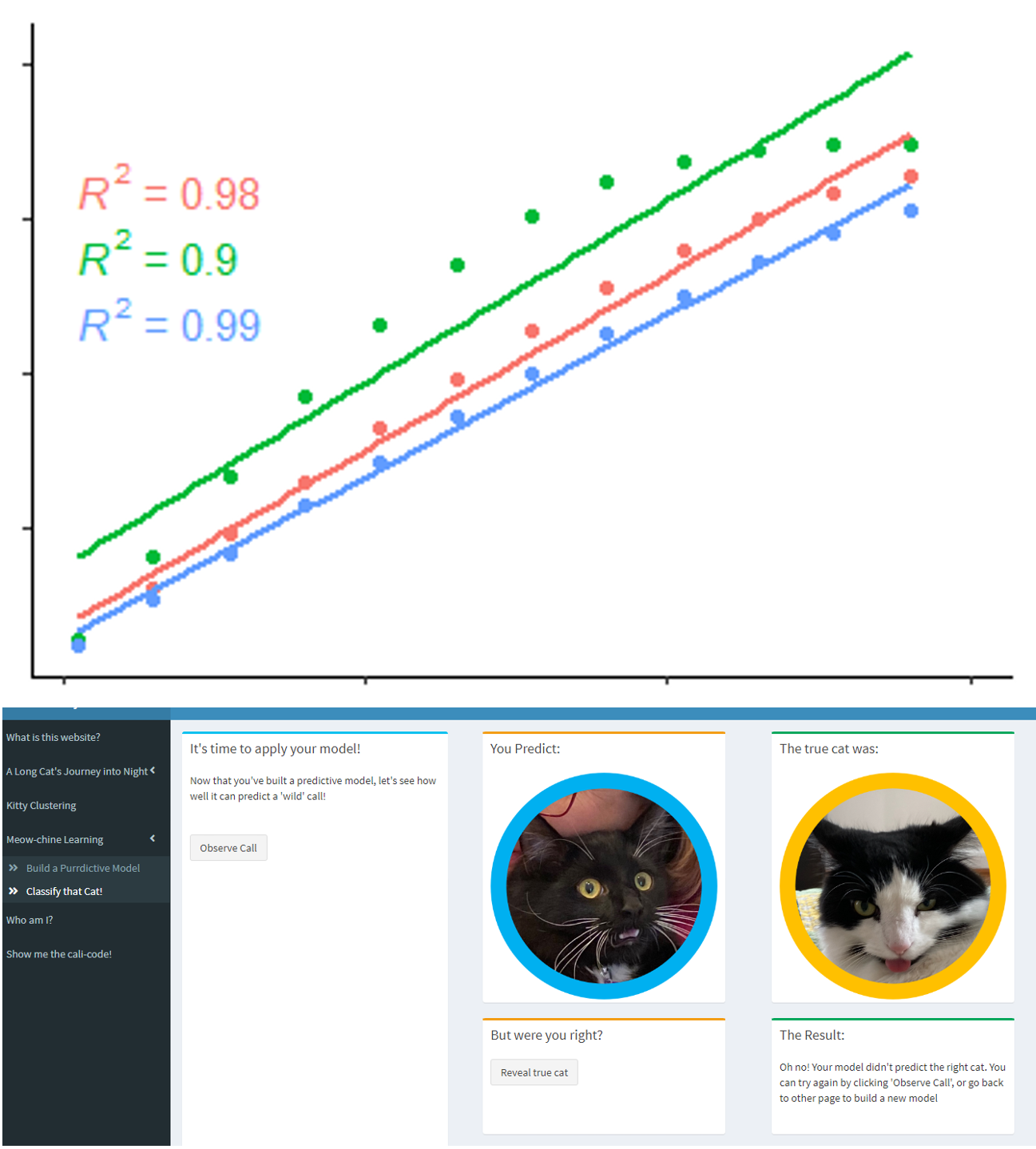
Screenshot of my Shiny website with my two cats making dumb faces

Other coding projects

These are smaller projects which I still had a blast creating. My first R package, doublr, allows you to interactively calculate doubling times from growth curve data. This website is probably the dumbest thing I've ever made and I'm so proud of it. I expanded my skills in machine learning and shiny applications to create a website that walks you through imaginary data science projects with my cats.

My personal life

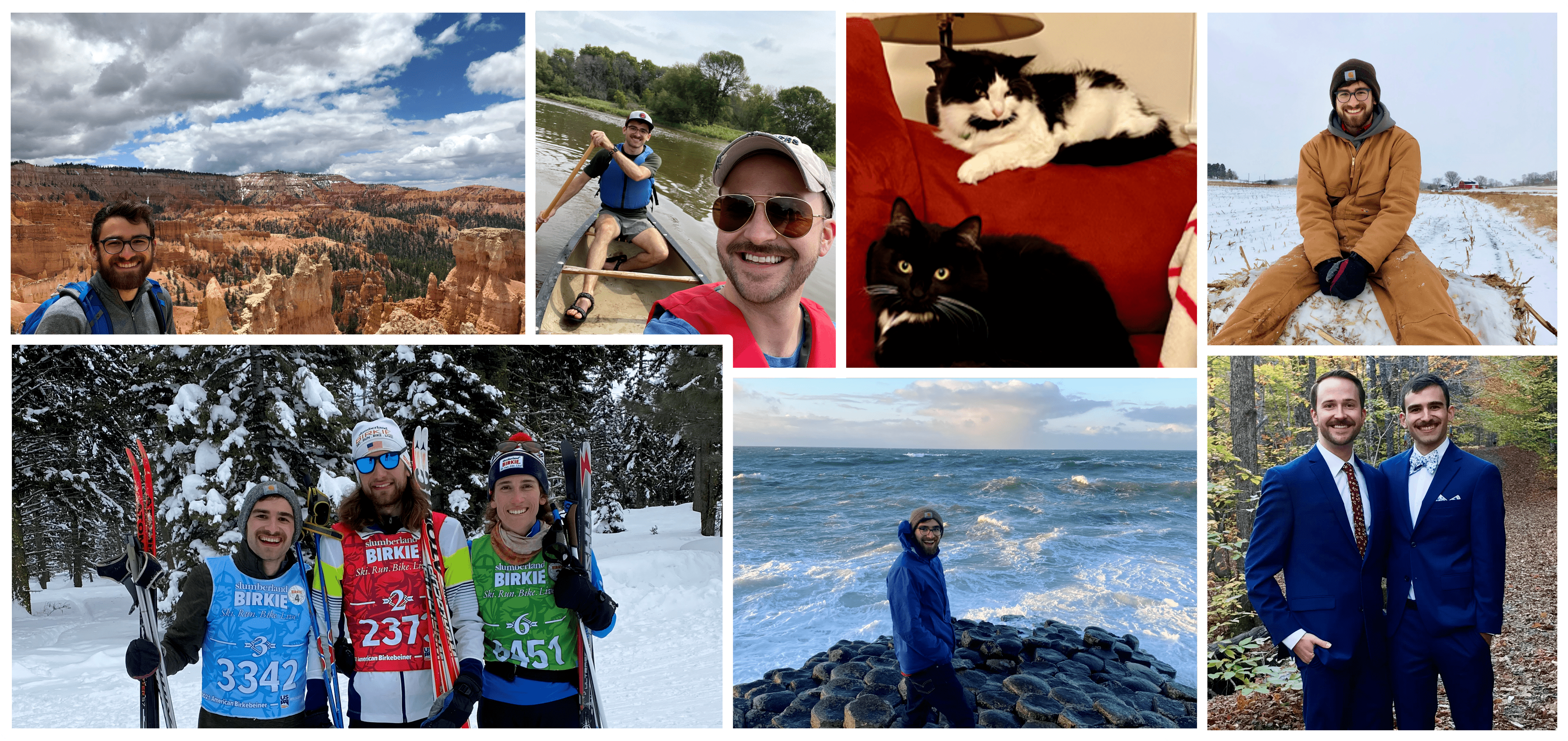
Thanks again for stopping by! I grew up in Wisconsin and received my B.S. in Microbiology from the University of Minnesota. As a Fulbright scholar, I traveled to Ireland to complete my M.Sc. in Geography in Galway, and then spent two years in Washington, D.C. as a research assistant at Georgetown University. Now, I am a Ph.D. candidate in Microbiology at Cornell University. Outside the lab, you can find me running/hiking/skiing with my husband, taking care of our animals (2 dogs, 2 cats, and 5 chickens), and learning the accordion.

Contact me

Feel free to reach out via email at arp277@cornell.edu or on BlueSky at @augustuspendle1.bsky.social